Understanding Degenerative Joint Disease
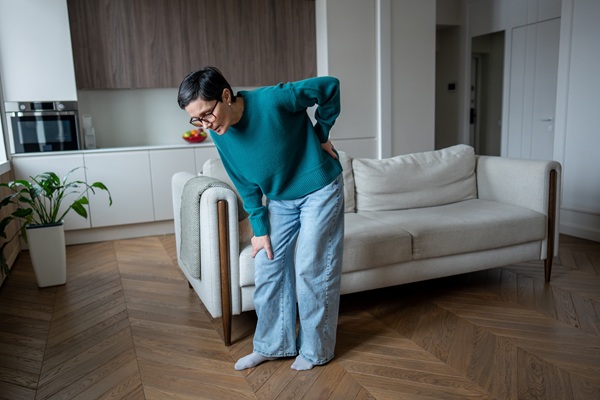
Degenerative joint disease is a common issue among seniors, active adults, and some younger individuals with prior injuries. It gradually deteriorates the cartilage that cushions joints, leading to pain, stiffness, and reduced mobility. Fortunately, treatment aims to keep patients active and independent. Understanding the development, diagnosis, and treatment options for this condition can help make management easier.
What is degenerative joint disease?
Also known as osteoarthritis, degenerative joint disease is marked by the gradual breakdown of cartilage at the ends of bones. Cartilage normally acts as a smooth, slippery surface that allows joints to move easily. Unfortunately, when this tissue thins or wears away, bones may begin to rub against each other, and the joint can become inflamed and painful.
Degenerative joint disease can affect the knees, hips, spine, shoulders, and hands. Over time, the body may respond by forming bone spurs and changing the shape of the joint. Although the disease progresses at different speeds for different people, early diagnosis and treatment can slow the process and minimize long-term effects.
Common signs and symptoms
Degenerative joint disease's most common symptom is pain in the affected joint that worsens with activity but improves with rest. Stiffness first thing in the morning or after sitting for a long time is also common. Joints may feel achy, tender to the touch, or less flexible than before. Others notice that a grinding or popping sensation appears when moving the joint.
As degenerative joint disease advances, symptoms can interfere with walking, climbing stairs, getting out of a chair, or exercising, among other everyday tasks. Some even begin to avoid activities that once brought enjoyment, which can affect mood and general health. A major goal of care from a chiropractor or sports rehabilitation provider is to reduce this impact.
Treatment options beyond medication
Effective care for degenerative joint disease rarely relies on a single approach. Still, chiropractors, in particular, focus on non-surgical options whenever possible. For example, targeted exercise and sports rehabilitation can strengthen muscles, improve stability, and support proper joint mechanics. Similarly, manual therapy can help address restricted motion and alignment issues that place extra stress on joints.
Regenerative medicine can also help with symptoms of degenerative joint disease. This approach seeks to support the body's own healing response to address various conditions. For degenerative joint disease, injection-based regenerative therapies can enhance local repair processes, support surrounding soft tissues, and reduce inflammation.
How to stay active with degenerative joint disease
Complete rest is rarely the answer for degenerative joint disease. In fact, the right activity helps nourish cartilage, maintain muscle strength, and support joint stability. Sports rehabilitation providers can recommend low-impact exercises, such as walking and swimming, as well as carefully designed strength training plans.
Activity modifications may also be recommended. These suggestions may include:
- Adjusting footwear
- Changing running surfaces
- Using braces or supports
- Altering training schedules
These adjustments protect the joint from overload while preserving the benefits of movement. When degenerative joint disease is managed in this way, many patients can continue to play their favorite sports, enjoy fitness routines, and complete daily tasks with ease.
Protect your joints with a comprehensive treatment plan
Degenerative joint disease does not have to mean the end of an active lifestyle. With early, accurate diagnosis and a comprehensive plan, many people find meaningful relief from joint inflammation and pain. Contact Spine & Joint Regenerative Medicine today for more information.
Request an appointment here: https://sjrm-tn.com or call Spine & Joint Regenerative Medicine at (423) 424-1529 for an appointment in our Ooltewah office.
Check out what others are saying about our services on Yelp: Degenerative Joint Disease in Ooltewah, TN.
Related Posts
Hyaluronic acid injection therapy can complement rehabilitation after joint injuries by providing cushioning, lubrication, and reduced friction within the joint. This therapy, known as viscosupplementation, supplements synovial fluid, the natural lubricant that enables smooth, comfortable movement. In athletes and active adults, overuse, sprains, or early osteoarthritis can thin or degrade this fluid, leading to stiffness…
Chronic pain treatment involves a comprehensive process that begins with an initial evaluation and continues through long-term recovery. Many individuals pursue chronic pain treatment to improve function and manage symptoms, allowing them to achieve a greater quality of life. A thoughtful and structured approach from the start supports steady progress over time.The first appointment sets…
Regenerative medicine represents a shift in how chiropractors approach injury care and pain management. Rather than focusing only on symptom relief, these innovative therapies rebuild tissue strength and joint mobility with the help of the body’s natural healing processes. When combined with chiropractic adjustments, regenerative medicine provides a clear path to recovery and performance.At its…
You have probably heard about sports medicine, but how much do you know about this branch of medical care? If you are an avid athlete, chances are good that you will one day need help from a professional in this industry. You do not need to be a high-level athlete to visit a therapist or…